
A father figure kneels behind his young son a sunlit street, demonstrating gentle care and guidance.

Dads Are Needed in the Fight Against Domestic Violence

Why a Father’s Role is Critical in Domestic Violence Awareness Month

October is Domestic Violence Awareness Month, a critical time when the nation focuses its attention on the silent epidemic of abuse that affects millions of families. When we talk about this issue, the conversation often—and rightly—centers on the victims and the essential services survivors need. However, to truly eradicate domestic violence, we must shift a significant portion of our focus to prevention, and that is a job that cannot be done without men.

Specifically, it cannot be done without fathers.

For too long, the narrative around domestic violence prevention has been delegated to women’s organizations, law enforcement, and therapists. While their work is heroic, it is insufficient to tackle the root causes. The truth is, domestic violence is not a “women’s issue”; it is a societal crisis rooted in control, entitlement, and learned behavior—all things that fathers, in their unique and powerful position, have the power to dismantle. An estimated 15.5 million children in the U.S. are exposed to intimate partner violence annually, making the home a warzone for millions of youth.

This is a call to action for every father, stepfather, and male mentor: your presence, your voice, and your example are the most powerful tools we have in this fight. This Domestic Violence Awareness Month, we must stop seeing ourselves as mere bystanders and step up as the primary agents of change. From the quiet lessons taught at the dinner table to the difficult, necessary conversations with friends, fathers play a critical role in breaking cycles of violence and reshaping the future of family safety.

This article explores the immense power fathers hold in prevention, how to recognize the crucial teaching moments, and what active, engaged fatherhood looks like when confronting the uncomfortable reality of abuse.


How Fathers Break the Cycle of Violence: Modeling Healthy Conflict and Respect

A diverse couple sits calmly on a sofa discussing something on a tablet, showing active listening and partnership. Their two young children are playing or doing small chores on the floor in front of them. The image illustrates parents modeling healthy conflict resolution and equity in the home, which is key to domestic violence prevention.

The single most powerful act a father can perform in the fight against abuse is to live a life of respect and equity. Abuse is fundamentally about a power imbalance—a sense of entitlement to control another person’s mind, body, or spirit. The home is the first classroom where children learn what love, respect, and conflict resolution look like. The lessons learned here dictate whether a child will become a future abuser, a future victim, or a future champion of healthy relationships.

Fathers play a critical role in breaking cycles of violence that have often been passed down through generations. A son who grows up seeing his father dismiss, demean, or control his mother, partner, or sister learns a harmful script. He learns that anger justifies aggression and that control is a natural component of love. In fact, research shows that boys who witness domestic violence are twice as likely to abuse their own partners and children when they become adults.

Conversely, a son or daughter who watches a father embody healthy masculinity—one rooted in emotional intelligence, respect, and vulnerability—learns that true strength is the ability to de-escalate, apologize, and treat a partner as an equal.

For daughters, this is critical: a father’s treatment of her mother or partner sets the conscious and unconscious standard for what she will accept from men in her own future relationships. By modeling respect, you teach her her worth.

The Power of Healthy Conflict

Modeling respect and healthy conflict teaches kids what love should look like. Many children of divorce or high-conflict homes will later admit they didn’t learn how to fight, only that fighting was destructive. A healthy relationship is not one without disagreements; it’s one where disagreements are handled with dignity.

Fathers should actively demonstrate:

  • Active Listening: Truly hearing a partner’s perspective, even when you disagree.
  • De-escalation: Knowing when to take a break from an argument before emotions run too high.
  • Accountability: Admitting when you are wrong and offering a genuine, unreserved apology.
  • Emotional Regulation: Managing frustration without resorting to yelling, name-calling, or intimidation.

By prioritizing this emotional literacy and demonstrating partnership, fathers don’t just protect their current family; they inoculate the next generation against the impulse of abuse. This proactive work is the core of domestic violence prevention.


Domestic Violence Prevention Starts at Home: Everyday Choices for a Safe Family

The grand, sweeping gestures are often what we remember, but the true work of prevention is found in the mundane and the minute. Domestic violence prevention starts with everyday choices at home. These are the small, consistent decisions that build a culture of safety, trust, and equality within your family unit.

Fair Play and Equity

Does your daughter watch you equally share household chores and parenting duties with your partner? Or does she see you treat the domestic space as your partner’s domain? For stepfathers, grandfathers, and non-biological partners, this modeling of equity is even more profound; you demonstrate how a man enters an established home with respect, demanding neither control nor unquestioning deference, but full partnership. This small, daily act reinforces that all people, regardless of gender, deserve to be respected and have their contributions valued.

Challenging Harmful Language

Fathers must become vigilant editors of the language used in their homes and by their children. This includes:

  • Challenging Misogyny and Sexism: Intervening immediately when a child uses a derogatory term toward women or dismisses a girl’s ability based on gender.
  • Teaching Consent: Starting age-appropriate conversations early about bodily autonomy. Teaching children that yes means yes and no means no, and that their body belongs only to them—and the same is true for others.
  • Refusing to “Man Up”: Rejecting the cultural expectation that men must suppress vulnerability, sadness, or fear. Encourage emotional expression in your sons and daughters; this teaches them that they can handle their feelings without resorting to external aggression or control.

This intentional, daily practice of healthy parenting lays the foundation for a world where violence is unthinkable, demonstrating that a safe family environment is built on mutual respect, not fear.


Dads: Why Silence Equals Complicity in the Fight Against Abuse

The fight against domestic violence extends beyond the four walls of your home and into your wider community, your social circle, and your workplace. Here, your role shifts from model to active defender.

Silence equals complicity—dads must speak up and intervene. This is perhaps the hardest, but most vital, part of a father’s role in prevention. When a friend makes a joke about hitting his partner, when a colleague speaks of his wife in a degrading way, or when you notice troubling signs of controlling behavior in a family member’s relationship, your immediate response matters.

The risk of stepping in is real, but the cost of standing by is far greater. When a group of men lets a sexist comment or a threat of violence slide, they are, in effect, sanctioning that behavior. They are confirming the belief that these actions are acceptable within the culture of healthy masculinity.

How to Intervene Safely and Effectively

Intervention does not always mean a dramatic confrontation. It often means a measured, courageous conversation:

  • The Direct Challenge: “Hey, that’s not cool. Don’t talk about your wife like that.” or “That joke isn’t funny and it promotes violence.”
  • The Private Conversation: Pulling a friend aside later: “I’ve noticed you getting really angry with [Partner’s Name] lately. I’m worried about you and about her. Can we talk about what’s going on?” This opens a door for help and accountability without a public shaming that can lead to defensiveness.
  • The Bystander Mobilization: If a situation is actively unsafe, calling for help (like 911) or enlisting others to help de-escalate. Safety is always the priority.

As fathers, we teach our children to stand up to bullies. It is time we teach ourselves to do the same for our peers. Healthy masculinity demands courage, and courage demands breaking the silence.


Supporting Survivors and Demanding Accountability: A Father’s Response to Abuse

When abuse comes to light, whether it’s a family member, a friend, or an acquaintance, a father’s response is a critical test of his values.

An adult male ally sits with a survivor (represented by an adult male or female figure) who is confiding in him. The ally is listening intently with an empathetic, non-judgmental expression. The image represents a father's role in listening to survivors and providing support without judgment.

Responding well means supporting survivors, not excusing those causing the harm. The instinct to protect “the guy” in your social circle can be strong, but it is an instinct that must be overcome. When we excuse abuse with phrases like “He was stressed,” “She pushes his buttons,” or “He’s really a good guy otherwise,” we are contributing to the culture that allows violence to flourish.

A Father’s Guide to Supporting Survivors

If a survivor confides in you, your job is simple: believe them, affirm them, and connect them with professional help.

  • Listen Without Judgment: Do not grill them for details, blame them for staying, or criticize their past choices. Say, “Thank you for trusting me. I believe you. This is not your fault.”
  • Resource Connection: Know the resources. A father’s best role here is not to be a counselor, but a bridge to professional help. For specialized guidance on supporting children impacted by abuse, reach out to resources like the National Domestic Violence Hotline (1-800-799-SAFE).
  • Respect Their Agency: Let the survivor dictate the next steps. Do not pressure them to leave, confront the abuser, or report the incident. Your role is to support their safety plan, whatever that may be.

Demanding Accountability

True allyship for survivors requires demanding genuine accountability from the person who caused harm. This means:

  • Refusing to Socially Isolate the Survivor: Do not drop a survivor from your social circle out of discomfort.
  • Refusing to Socially Reintegrate the Abusive Partner: Do not immediately welcome an abuser back into the social fold without clear evidence of long-term change, deep remorse, and successful completion of a certified batterer intervention program. Real accountability is hard work and requires proof, not just promises.

By holding friends and family to a higher standard, fathers help establish that abuse is not a mistake to be brushed aside, but a serious choice that carries consequences.


Conclusion: The Legacy of a Respectful Father

Domestic Violence Awareness Month is more than just a 31-day campaign; it is a permanent commitment. For the fathers reading this, your challenge is clear: you are not just raising children; you are shaping future partners, neighbors, and citizens. The peace and safety of the next generation depend on the lessons you model today.

Fathers play a critical role in breaking cycles of violence—a role that demands courage, vulnerability, and unwavering respect. Remember: domestic violence prevention starts with everyday choices at home. Choose equity. Choose respect. Choose to speak up when silence equals complicity. And always choose to support the courageous, not excuse the cruel.

When your children, years from now, reflect on their father, let them remember a man who stood for fairness, spoke against injustice, and demonstrated that love is partnership, not possession. That is the ultimate legacy of a respectful father, and the most powerful blow against domestic violence.

Call to Action: Be the Change, Today.

Do not let this October end without taking a tangible step.

  • Educate Yourself: Learn the signs of abuse beyond physical violence (financial, emotional, technological). Visit the National Domestic Violence Hotline website for resources.
  • Talk to Your Kids: Initiate an age-appropriate conversation this week about modeling respect, consent, and healthy relationships. Use the resources on A Father Heard for conversation starters.
  • Get Involved: Support organizations that provide support for domestic violence survivors. Consider making a donation or volunteering time to a local shelter.
  • Join the Conversation & Commit: Share this article on social media and use the hashtag #AFatherHeardAgainstDV to encourage other fathers to step up. Your voice is needed. Your action is required. Let the powerful influence of a father be the turning point in the fight against abuse. Take the pledge to model respect and accountability this month with A Father Heard!
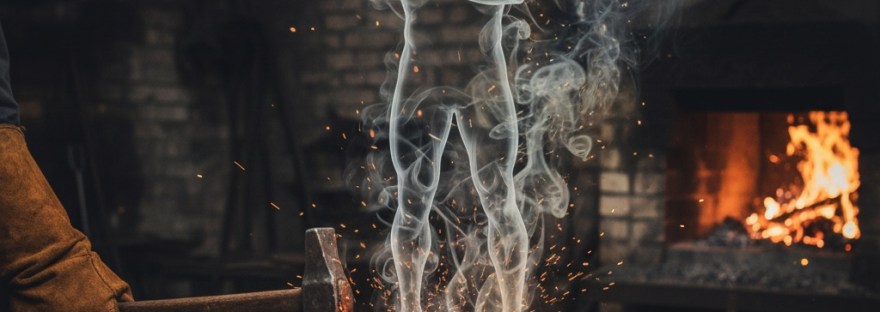
A blacksmith's hammer strikes a glowing piece of metal, with sparks transforming into the silhouette of a person. This symbolizes a person being forged and strengthened by pressure and hardship.

The Crushing of the Ego: Why Greatness is Forged, Not Given

Have you ever stopped to consider the journey of a single grape? In its plump and perfect form, it holds all the potential to be something magnificent. But that potential remains dormant until a violent, transformative act takes place. The grape must be crushed. Its skin must be broken, its sweetness released, and its essence pressed out under immense weight. Only then, through a process of fermentation and refinement, does it become something far greater than its original self: wine.

This is not a cruel act, but a necessary one. And in this process, we find a profound truth about the human spirit: you do not get greatness without the crushing of the ego.

The ego, like the uncrushed grape, is a fragile vessel of potential. It holds our pride, our insecurities, our vanities, and the comfortable story we tell ourselves. It whispers, “I am enough as I am,” and “I deserve this without the struggle.” It sees the world through the lens of its own perfection and resists any force that threatens to change it.

But true personal growth isn’t an acquisition to be added to our ego; it is born from its dissolution. We are not crushed to be broken, but to be stripped down to our truest, most resilient selves. This is the hard truth of the journey—a truth I’ve seen play out in my own life and in the stories of countless others on the path to personal development and long-term success.

A close-up, high-quality image of a single grape being crushed under a heavy stone press, symbolizing the crushing of ego for personal growth and success.

Pressure Strips Away Excuses: The First Step in Overcoming Challenges

The journey to true greatness begins when pressure forces us to be honest. We all have our excuses. For me, a naturally quiet and introverted person, I allowed that to be a significant hindrance in my professional life. I would pass on opportunities to utilize my voice—to lead a meeting or speak in front of a group—even when I was more than qualified to do so. I felt trapped in a self-imposed cage, a story I had allowed myself to believe about my own capabilities.

But pressure has a way of silencing all the “I couldn’t because” stories. It’s an honest and unforgiving force that strips away the rationalizations and gets you to the raw, honest facts. The moment of decision arrived when I had to confront the reality of my situation. I had to stop telling myself the story of being a “quiet person” and start confessing that I was an effective communicator. It was a terrifying but necessary leap of faith. The apprehension to speak in front of crowds became a lot easier once I faced my fear head-on.

An introverted man stands confidently with a microphone, speaking to a small, engaged crowd. The image symbolizes a quiet person overcoming a fear of public speaking through personal growth and accountability.

This is the power of embracing pressure. It forces a complete and honest assessment of the situation: “What can I do right now, with exactly what I have, to get this done?” It moves you from a passive victim of circumstances to an accountable owner of your results. This radical shift in mindset for success is the first step in overcoming challenges.

The Forge of Discipline: From Talent to Mastery

Raw talent is a gift, but it is not a destination. Without discipline, talent is like a raw diamond—it has immense potential, but lacks the refinement to truly shine. The journey from talent to discipline is where personal growth truly takes shape.

Split image showing a rough, unpolished piece of wood on the left and a smooth, refined sculpture on the right. This visual metaphor illustrates the transformation of raw talent into disciplined mastery through challenge.

Think of it this way: talent can get you started, but patience is the mental muscle that keeps you in the fight. I once had a friend who wanted to speak at a big event, but because the deadline was too tight, I wasn’t in a place to pull it together. I knew I couldn’t deliver my best work, and I didn’t want to force it. My friend felt like I left money on the table. But I had the patience to not rush a process that needed time to mature. A year later, the very same opportunity came back around. Guess what? I nailed it!

That was a lesson in the difference between being a talented person and a refined one. The talented person might have jumped at the opportunity and delivered a mediocre performance. But the refined individual, forged by experience, understands that patience under pressure is a strategic asset. The journey from talent to mastery is the conscious choice to be forged in the fire of challenge, rather than to remain a beautiful but brittle artifact. This is the essence of true mental toughness.

The Gift of Humility: The Humbling That Leads to Elevation

One of the most transformative gifts of pressure is not what it gives you in the moment, but what it strips away. Arrogance is a thin skin of false confidence, a protective layer we build to avoid confronting our limitations. Pressure, like a high-intensity laser, burns that layer away. It forces a moment of truth, a humbling encounter with your own true capacity.

Years ago, I felt that a specific job opportunity at work was “meant for me.” I was frustrated and disappointed when I didn’t get the role. That feeling of rejection was a humbling blow to my ego and my sense of entitlement. It was a painful moment that shattered a story I had told myself about my own destiny. But once I released that frustration—once I let go of the need for control and surrendered to a higher plan—a new door opened to me. That door led to what I’ve been doing for the last decade.

The process is always the same: pressure humbles, humility grounds, and a grounded foundation is what allows for true elevation. You can’t reach a new height until you acknowledge where you truly stand. This is a vital lesson in leadership development and how to deal with frustration.

The Path of Purpose: Why Faith Forges Strength

Perhaps the most crucial differentiator between those who are broken by pressure and those who are forged by it is a deep-rooted sense of purpose. For many, the pain of the pressure outweighs the value of the goal, and they are fighting for a surface-level prize. But for the rare few who endure, the pressure is merely the price of admission to something they believe in.

For me, that deep-rooted purpose comes down to my faith. I know that God has me exactly where He desires for me in due season. Even as I’m in the midst of a layoff, my thought process is, “What’s for me is for me!” My focus is to stay sharp and maintain my readiness until the time is right.

This Christian perspective on success provides an unshakeable sense of calm in the face of chaos. It’s a mindset that allows me to see a layoff not as an end, but as a disruption that forces a more strategic and resourceful response. It’s about letting go of the need for comfort and finding a new kind of comfort in my own ability to adapt and endure. The drive is no longer fueled by the avoidance of discomfort but by the pursuit of growth, mastery, and purpose.

The Master’s Journey: The Mark of True Mastery

I’ve been in the workforce since I was 17 years old. I’m 50 now. At this point, my focus is not on chasing titles or paychecks, but on finding the right place that aligns with who I am at my core. If that happens, the long-term journey of a career is a given.

This is the ultimate expression of mastery. It’s not a static state of perfection but a dynamic process of personal growth. Mastery is simply the accumulated evidence of surviving repeated cycles of pressure. It is the wisdom gained from decades of being humbled and then elevated. The expertise you possess is not just the sum of your skills; it is the hardened core of your professional self—the knowledge that has been tested and proven to work under every conceivable condition.

Your Call to Transformation

Just as the crushed grape releases its essence to become a more sublime form, so too are we refined by life’s pressures. The pain of the crush is not the end of the story; it is the beginning of a magnificent transformation.

Your personal development journey requires you to step into the press. Are you willing to be crushed? Are you ready to let go of your excuses and your ego so that you can become something truly great? The choice is yours. Embrace the pressure and prepare to be refined.

Resilient father in casual clothes standing at sunrise, holding coffee and looking toward the horizon, symbolizing hope and new beginnings after a job layoff.

Navigating Through the Uncertainty of a Job Layoff: A Father’s Perspective

When Work Stops, Fatherhood Doesn’t

On a Thursday, I learned I was being laid off in two months. By Monday, I realized I wasn’t just losing a job — I was losing a piece of the work I’d poured my heart into for over two decades.

When you’re a father, a layoff hits differently. The mortgage still needs paying. The fridge still needs filling. The little eyes at the dinner table still look to you for reassurance.

Job loss can feel like a threat to more than your bank account — it can feel like a threat to your identity. But here’s the truth: a layoff is not the end. It’s a forced reset, a chance to rebuild with intention.

I found out that our team was being laid off, and it was a shock. We had worked tirelessly to meet the needs of the families we served. But it wasn’t until I returned from PTO and read our Executive Director’s words about the impact we had made over ten years that it really began to sink in. We had touched countless families and individuals — and now there would be a void in our community.

That day, I realized layoffs don’t just affect paychecks. They ripple into the lives of others, and as a father, that weight feels even heavier.


The Emotional Reality of a Layoff

For many fathers, a layoff is more than the loss of a paycheck — it’s the loss of a role, a rhythm, and a sense of stability. It can stir up fear, shame, and uncertainty.

For me, the emotion that hit hardest was grief. This wasn’t just any job ending — I had served in that agency for over 22 years. I had helped build the fatherhood program from the ground up, and I’d walked alongside countless fathers as they worked to better their lives. Suddenly, it was gone, and I was left asking, What’s next for me?

Close-up of a father’s hands resting on a kitchen table beside a notebook and coffee cup, reflecting on life changes after job loss.

Almost immediately, I began looking inward: What am I passionate about? How can I turn this into an opportunity? That’s when I started sharing my layoff journey on social media, leaning into the work I’d been building outside my 9–5 in the fatherhood space. I made a decision — I wasn’t going to just settle for anything.

I’ve had honest conversations with my kids and family. I’ve reminded them (and myself) that things will change, but things will be okay. I have faith in the Most High. When one door closes, another always opens.


Core Mindset Shift — You Are Not Your Job

When a layoff happens, it’s easy to let your career status define your worth. But here’s the truth: your kids don’t care what’s printed on your business card. They care about how you show up.

If I were sitting across from a dad who just lost his job, I’d tell him: Your story is still being written. You are not a failure. This is not the time to lay down. This is the time to do the things you’re passionate about, to tap into your purpose, and to leave no stone unturned.

Father smiling warmly while talking with teenage child over breakfast, showing connection and encouragement during a career transition.

Your worth as a father is not tied to your job title. You are so much more than the work you do. Keep being the best you can be for your family, because they’re watching how you handle this moment — and they’ll remember your resilience more than any paycheck.


The Power of Structure in Uncertain Times

When life feels uncertain, structure becomes your anchor. Without it, days can blur together and motivation can fade fast.

After my layoff, I made it my goal to wake up at the same time every day and follow my morning routine. I start with quiet time — grounding myself before the day begins — then I help my daughter with her schooling. I’m intentional with my hours and don’t allow my hands to be idle.

Open journal, pen, and laptop on a clean desk near a sunny window, representing focus and daily routines during a job search.

My focus is split between personal development, building my fatherhood work, and searching for job opportunities that align with my values. And here’s the truth: I work harder on myself than I ever did on my job. That daily discipline keeps me steady and moves me closer to what’s next.


Using the Layoff as a Launchpad

A layoff can close one door — but it can also clear the space for new ones to open. If you choose to see it that way, it can be a season of creativity, focus, and forward motion.

When I got my notice, I made a decision: I wasn’t going to wait for an employer to validate my calling. I started writing for my blog again, creating meaningful posts to remind fathers how important they are. I didn’t need a job to do that — it’s been part of me for over 11 years.

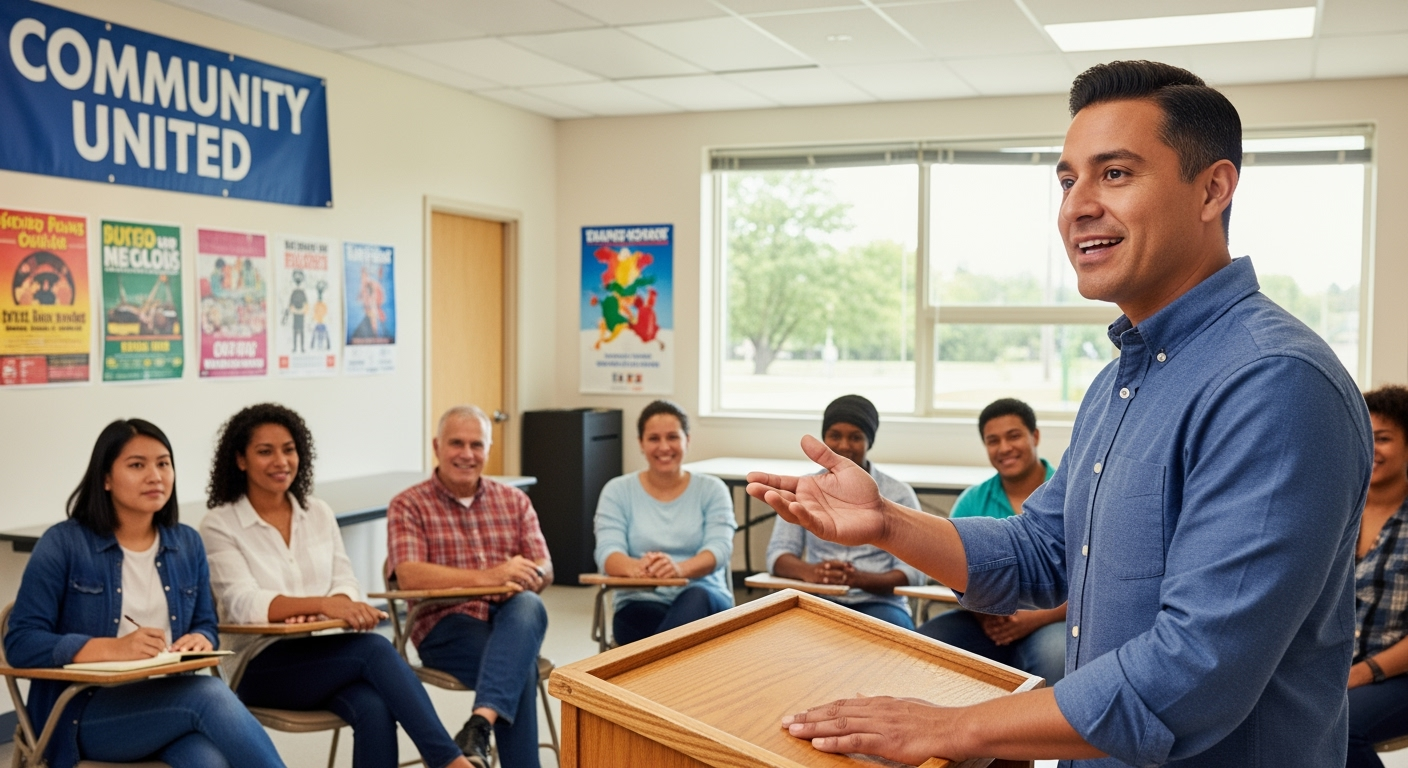
Confident father speaking to a small group in a community center, sharing ideas and building opportunities in fatherhood work.

I’ve been working on several projects, crafting presentations, and pursuing opportunities to expand the work of fatherhood. And the more I’ve poured into this mission, the more doors have opened. This isn’t just about bouncing back — it’s about building something that lasts.


5 Ways Fathers Can Stay Strong During a Layoff

  1. Stick to a Routine – Keep waking up at the same time, staying active, and structuring your day.
  2. Have Honest Family Conversations – Transparency builds trust and helps your loved ones adjust with you.
  3. Reconnect with Your Purpose – Use this time to focus on what you’re truly passionate about.
  4. Invest in Personal Growth – Read, learn, and develop yourself so you’re ready for the next opportunity.
  5. See It as a Launchpad – Your next chapter might be better than you imagined.

A Broader Perspective

Research from the American Psychological Association shows that job loss can significantly increase stress levels and impact family relationships. But studies also show that resilience — the ability to adapt and bounce back — is a skill that can be strengthened.

Your children are watching how you respond in this season. By staying calm, consistent, and committed to growth, you’re modeling resilience that will serve them for life.


Final Thoughts — From Setback to Setup

To my fellow fathers walking through a layoff: you are more than your job. This moment is not the end of your story — it’s the beginning of a new chapter.

Lean on your faith. Be honest with your family. Create a daily structure that keeps you moving. Use this time to pour into the things you care about most. And remember: the way you respond now is shaping not only your future, but the way your children will approach challenges in their own lives.

One door has closed, but others are opening. Step through them with courage.


If you’re a father navigating change, I share encouragement, tools, and real stories at A Father Heard. Let’s walk this journey together.

Black Fathers Speak on Black Family: Representation, Identity, & Diversity

During Black History Month, I participated as a panelist in the 2021 Winter’s Black History Month Celebration. Many myths and stereotypes would lead the general population to believe Black Fathers neglect our families and diminish our value. During this panel discussion, we dispel those Black Father myths and stereotypes.

Each of us on the panel took the time to share our heart, and the true character and identity of the Black Father.

I’m sure there’s a lot more that I can write about who we are. However, I’ll let our voices speak to the importance of The Black Family: Representation, Identity, and Diversity.

Before you listen, take a moment to read and reflect on my haiku called “Black Fatherhood” that I wrote for you.

“Black Fatherhood” by Marcus Griggs

Black Fatherhood

Beautiful, Melinated

Irreplaceable!

Below is the recording of the panel, originally, recorded on February 25, 2021 and posted at Texas HHSC’s YouTube page.

Eight Simple (& Powerful) Affirmations from Dads to their Children

A few weeks ago, I posed this question online: “When you look back at your childhood, what did you need to hear from your father?” The 100+ responses from men and women, let me know that these adults placed a certain amount of value, whether it was high or low, upon what their fathers said and didn’t say to them as they were growing up with or without the presence of their father.

Based upon the response, I heard the pain and anguish associated with not receiving positive words from their father or I heard the strength and resolve connected to uplifting words. It’s not uncommon knowledge that children want the approval of their parents; and specifically, approval of their fathers. There’s plenty of data to suggest the magnitude of a father’s presence.

When a father understands his worth, he conducts himself differently for his children’s livelihood in an effort to build self worth in his children. It extends further than making sure that food is on the table, clothes are on the back, and a roof is over the head. The lens through which our children see the world is, directly, tied to the deposits of a lifetime overflowing with praise or criticism.

He recognizes the lie of “Sticks and stones may break my bones. But, names will never hurt me.” He understands that “A soft answer turns away wrath, but a harsh word stirs up anger” according to Proverbs 15:1. He remembers the connection between his legacy and his behavior are interwoven.

What he says matters!

How he says it matters!

When he says it matters!

Why he says it matters!

When the what, how, when, and why are in alignment, trust his child’s world is better off for it! As an adult, when his child answers a random question online, positive memories bring tears of joy. Well done, Dad! Well done!